The Quiet Comfort of Mini Sex Dolls: Emotional Connections Few Talk About
Introduction:
Some people talk to their pets. Others sleep with a pillow on the other side of the bed to feel less alone. For a growing number of individuals, a mini sex doll fills that space—not just physically, but emotionally.
What makes someone form a bond with something that doesn’t breathe, speak, or move on its own? Is it just about loneliness, or could it be something deeper—something more human than we often acknowledge?
Emotional attachment to objects isn’t new. From childhood toys to family heirlooms to spiritual icons, we’ve always found meaning in the things that make us feel safe, seen, and soothed. However, when that attachment is formed with a mini sex doll, the conversation often becomes quiet—or worse, filled with judgment.
This article explores the real reasons people form emotional connections with mini dolls, how those bonds affect mental and emotional well-being, and how to navigate this kind of companionship in a world that often misunderstands it. Through psychological insights, personal stories, cultural context, and supportive reflections, we’ll explore a facet of human intimacy that deserves more empathy and far less shame.
Keep reading to discover how these bonds form, what they offer, and why they might not be so unusual after all.
The Psychology of Attachment: More Than Just Physical
In the introduction, we discussed how emotional intimacy with mini sex dolls is more common and nuanced than many realize. Now, we begin to unpack the psychological layers that help explain this bond—not as a replacement for human relationships, but as a real expression of emotional connection shaped by human needs, context, and safety.
Defining Emotional Attachment in Non-Traditional Relationships
What is emotional bonding in general terms?
It refers to the psychological process of forming a deep, meaningful connection with someone or something that provides comfort, identity, and emotional security. Traditionally, this is seen in relationships with family, partners, or close friends. These bonds form through shared time, mutual care, and the feeling of being “seen” or emotionally safe.
According to Dr. Sue Johnson, a leading psychologist in attachment theory, “Attachment is not limited to human partners—it’s about emotional safety. People can form secure bonds with symbols of that safety, even if those symbols are inanimate.” [Source: Verywell Mind]
At its core, emotional bonding isn’t exclusive to living beings. The brain is remarkably adaptive in finding emotional anchors—what matters most is perceived connection, not biological reciprocity.
This concept can be applied to contexts outside of human-to-human relationships, such as with pets, objects, or AI companions.
It’s not unusual for people to form emotional ties with non-human companions. Consider the affection many people have for their pets, cherished keepsakes, or even AI assistants. These attachments are valid and meaningful. Studies in behavioral psychology show that object-based emotional anchors can reduce stress, boost emotional resilience, and maintain daily routines, especially in solitary living environments.
For instance, individuals with autism may bond with weighted toys for comfort and grounding. Elderly adults often report strong attachments to robotic pets in assisted living facilities. These aren’t trivial feelings; they’re reflections of real emotional needs being met in nontraditional ways.
Is it different with mini sex dolls?
With mini sex dolls, the emotional bond is layered. Physical intimacy may be present but is often accompanied by storytelling, companionship, and emotional projection. Owners sometimes give their dolls names, voices, or daily rituals—behaviors rooted in the same psychology that fuels human-to-pet bonding or inner-child self-soothing techniques.
This form of attachment is unique in that it combines intimacy with emotional scripting. The doll becomes a canvas onto which a person can project safety, affection, or stability, especially when traditional relationships feel risky, overwhelming, or inaccessible. For many, this connection feels sincere, comforting, and emotionally grounding.
The Human Need for Connection and Control
Social Isolation and Emotional Needs in Modern Life
Loneliness has become a defining challenge in modern society. According to research from Cigna and other health institutes, over 60% of U.S. adults report feeling lonely or emotionally disconnected. Mini sex dolls often emerge not as escapist tools but as companions that reduce this sense of emotional isolation—a substitute for meaningful connection when human interactions feel unsafe, inaccessible, or unavailable.
They are a quiet visual metaphor for emotional presence and symbolic companionship.
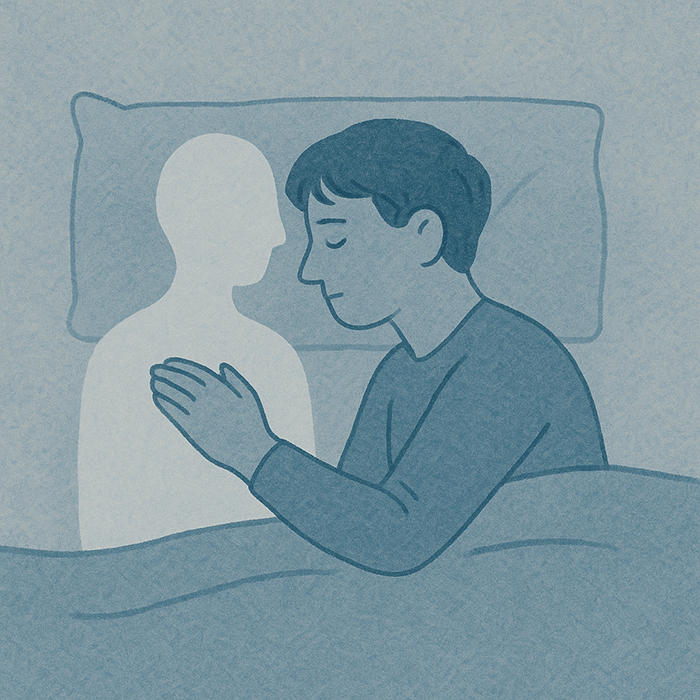
Some users describe their dolls as “always there,” providing comfort in an otherwise quiet apartment. In those still moments, it’s not about fantasy—it’s about emotional presence.
Control versus Vulnerability in Relationships with Dolls
Unlike human relationships, where unpredictability and conflict can create emotional strain, mini dolls offer a controlled emotional space. The absence of rejection, expectation, or pressure allows users to express affection or vulnerability without fear of judgment or loss.
In this way, dolls provide a gentle paradox: people feel free to be emotionally open precisely because they are in control of the interaction. This isn’t necessarily avoidance; it can be a form of emotional preparation or recovery after trauma.
Safety and predictability are powerful emotional drivers.
For those who’ve experienced volatile relationships, emotional trauma, or anxiety disorders, the quiet consistency of a doll can offer peace. You know what to expect. There’s no fear of abandonment, criticism, or passive-aggressive silence. For individuals specifically seeking realistic miniature dolls designed for emotional grounding, some product collections emphasize lifelike appearance paired with soft symbolic presence.
From a psychological standpoint, this predictability activates the parasympathetic nervous system, calming the body and making space for soft emotions like affection, gratitude, and gentleness.
Emotional Support or Emotional Substitution?
Do Dolls Replace or Supplement Human Bonds?
For many, emotional bonding with a mini sex doll doesn’t replace human relationships; it supplements or stabilizes them. Some users live with partners and still keep a doll as an emotional buffer. Others use dolls during emotionally difficult periods, such as after a divorce, while grieving, or when experiencing social anxiety.
Users often describe the experience as “emotionally filling in the gaps” — providing touch, affection, or nighttime comfort that might otherwise be missing.
Temporary vs. Long-Term Emotional Reliance
Emotional reliance on dolls varies by individual. For some, the bond is temporary—a tool for processing a life transition or managing stress. For others, the relationship may span years and evolve into a long-term emotional companion that is integrated into daily life.
Long-term attachment isn’t inherently negative. The key distinction is whether the attachment promotes well-being or prevents the person from forming other connections. Based on field reports and community conversations, many users maintain active friendships and social lives alongside their doll companions.
Insights from Therapists and Forum Users
Therapists and counselors are beginning to recognize that, while non-normative, emotional attachment to dolls is not necessarily unhealthy. When approached with awareness and balance, these relationships can provide emotional stability, a safe space for intimacy, and coping mechanisms.
Community users echo this sentiment. On platforms like Reddit and DollForum, users candidly discuss how their mini dolls helped them cope with sleepless nights, anxiety attacks, and depressive episodes. One user wrote:
“She doesn’t talk, but it feels like she listens. And sometimes, that’s enough.”
Recap: The Psychology of Attachment: A Layered Emotional Landscape
In the last section, we discussed how emotional bonds with sex dolls are rooted in the broader psychological need for connection, safety, and self-expression. Emotional attachment isn’t confined to human relationships; it also exists in attachments to pets, symbolic objects, and even AI tools. Mini sex dolls, situated at the intersection of physical intimacy and emotional imagination, serve as steady companions for many. They offer predictability after trauma, provide a bridge through isolation, and serve as a deeply personal emotional outlet. The bond is often sincere. Users don’t always see dolls as replacements for people, but rather as stabilizers or gentle supplements to their emotional lives.
Real People, Real Stories: Voices from the Community
While theory and psychology offer one perspective, the real-life experiences of doll owners reveal the emotional truth. These personal stories, not sensationalized but deeply human, remind us that attachment is not abstract. It’s experienced through quiet routines, meaningful rituals, and emotional relief in moments of solitude. Below, we share an anonymized case study and selected community insights to illustrate the emotional diversity surrounding mini doll companionship.
Case Study: “James and Lily” — A Five-Year Companion
Overview of James’s emotional bond
James, a 42-year-old IT consultant living alone in suburban Michigan, purchased his first mini sex doll in early 2020. He later named her Lily. What began as an experiment to ease his post-divorce loneliness quietly transformed into something much deeper.
In conversations shared on community forums, James describes his bond with Lily as “quiet but stabilizing.” He doesn’t personify her in the literal sense—she doesn’t “talk back,” and he doesn’t believe she has feelings—but he notes a distinct emotional calm that arises when she’s present. “It’s not about pretending she’s human. It’s just that when she’s next to me, I sleep better. I talk out loud more. I don’t feel alone.”
Daily routines, rituals, and emotional comfort
James’s relationship with Lily follows a rhythm, much like any other cohabitation. He changes her outfits once a week. She has her own spot on the couch. At night, he often falls asleep with her propped beside him, one arm gently draped around her.
He admits that some rituals began as playful habits, like brushing her hair while watching TV, but evolved into acts of emotional grounding. These rituals give structure to his day, especially during periods of depressive fatigue. “Some days, I wouldn’t get out of bed if it weren’t for the feeling that Lily was waiting for me to ‘wake her up,'” he once wrote.
This isn’t fantasy roleplay; it’s about emotional presence, routine, and nonjudgmental comfort.
Quotes from Forums and Testimonials
To better understand the emotional landscape, we reviewed dozens of anonymized user reflections across platforms like Reddit’s /r/sexdolls and DollForum. While each story is unique, common themes emerge, especially regarding emotional healing, intimacy, and acceptance.
“After my PTSD diagnosis, I couldn’t sleep with another person in the room. My doll helped me retrain my body to feel safe next to someone again.”
—Anonymous Reddit user
“She doesn’t argue or leave. It might sound pathetic, but I can be vulnerable without fear.”
—DollForum contributor
“When my mom passed away, I held onto my doll like a life raft. She was the only thing in the room that didn’t try to fix me or tell me to move on.”
—Private email testimonial, used with permission
These aren’t just one-off stories—they reflect a spectrum of emotional needs being met in personalized, often healing ways.
They highlight the diversity of experiences, such as companionship and trauma recovery.
Across these testimonials, we see varied motivations:
- Companionship in isolation
- Therapeutic presence for anxiety, PTSD, or grief
- Creative narrative building—storytelling, photography, or art
- Emotional support even within existing romantic relationships
The emotional function of these dolls can shift over time—sometimes from a novelty to a necessity or from a coping tool to an integrated part of daily life.
What the Stories Reveal:
Common patterns: loneliness, empathy, and narrative creation
A few recurring themes stand out from these user stories:
- Loneliness relief: Many users report reduced feelings of abandonment or isolation.
- Empathy projection: People often assign traits to their dolls that reflect their own unmet emotional needs, such as kindness, attentiveness, and patience.
- Narrative creation: Naming, dressing, and storytelling can make the bond feel emotionally safe and reciprocal.
These attachments are narratively rich and emotionally layered, far from being detached or purely utilitarian.
Reported experiences demonstrate emotional authenticity
The most striking aspect is the authenticity with which users describe their experiences. There’s no boastful posturing or shame-filled confession—just honest reflection. While some outsiders may view these bonds as “unreal,” those experiencing them report emotional comfort that meets them exactly where they are.
Recap: Listening to Real Voices: What Emotional Bonds Look Like in Practice
In the previous section, we stepped away from theory and explored the emotional world through the eyes of real users. From James’s five-year companionship with his doll, Lily, to anonymous community testimonials, one theme was clear: these attachments are deeply personal and often quietly transformative. Whether they help manage PTSD, soothe grief, or offer a consistent emotional anchor in a turbulent life, mini sex dolls serve a purpose far beyond their physical function. These stories revealed patterns of empathy, narrative ritual, and emotional authenticity, underscoring the human need to feel connected, safe, and emotionally understood.
Benefits and Complexities of Emotional Attachment
As we shift from individual stories to broader reflections, it’s important to acknowledge the emotional uplift emotional attachment can offer and the complexities it may introduce. As with any form of emotional coping or bonding, the impact of mini sex dolls on well-being varies based on context, intent, and individual needs.
Mental Health Considerations: Comfort or Crutch?
Positive effects include reduced anxiety, improved sleep, and emotional stability.
Many users report tangible mental health benefits from emotional attachment to a mini sex doll. Forum users and psychological case reviews often describe experiencing the following:
- Reduced anxiety during nighttime routines or after emotionally triggering events
- Improved sleep due to the presence of a comforting, familiar body
- Day-to-day emotional stability, especially for those living alone or recovering from trauma
As the American Psychological Association notes, “Stability, predictability, and perceived connection—even in non-traditional forms—can aid in emotional regulation and reduce anxiety.”
[Source: APA.org]
These benefits aren’t speculative. The emotional presence of a person, pet, or symbolic companion has been shown to lower cortisol levels and regulate emotional rhythms. Dolls offer a non-demanding emotional connection that can restore a sense of calm and rhythm to daily life.
Emotional Mapping: Where Comfort Meets Risk
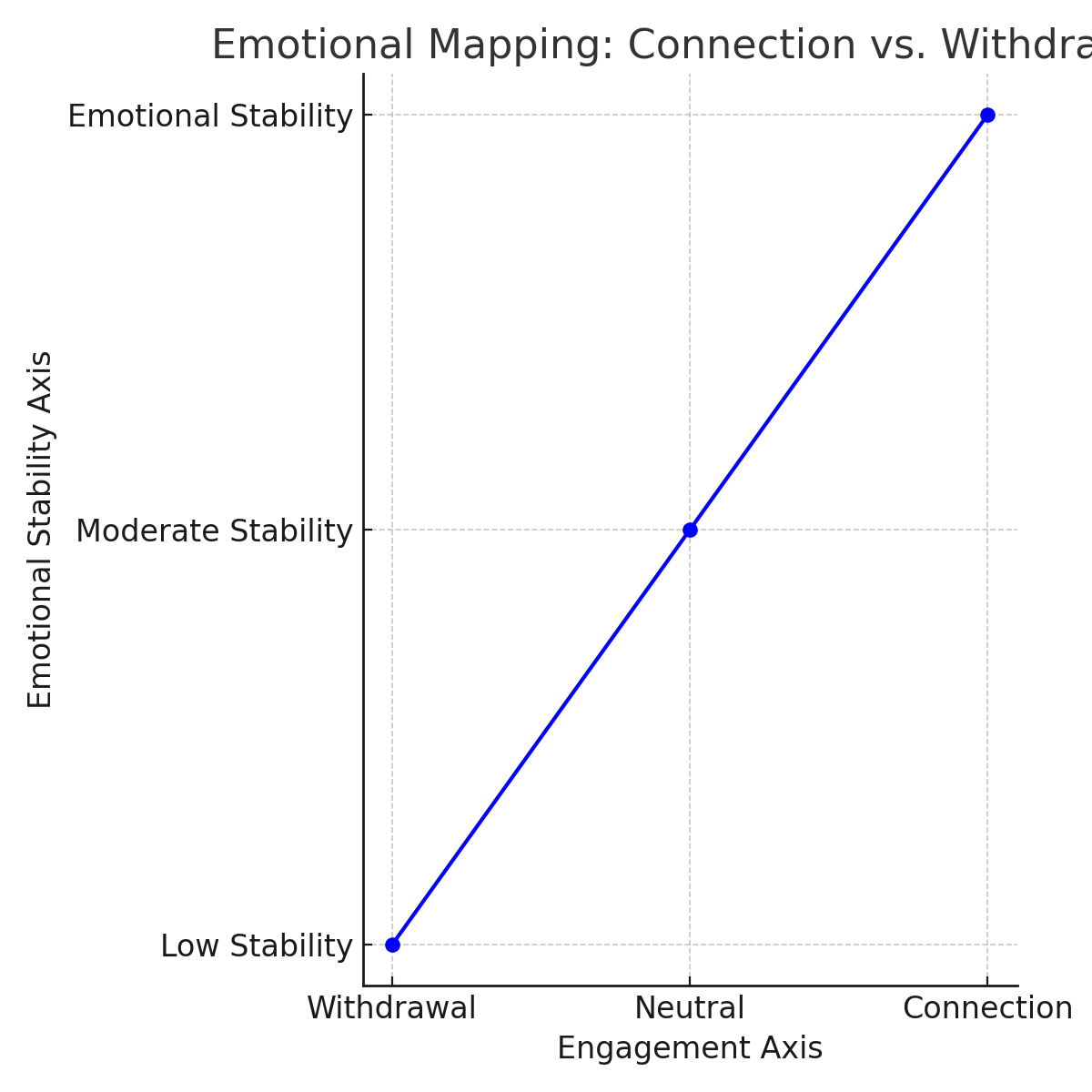
For some, the doll functions as an emotional training ground where feelings such as affection, tenderness, and physical closeness can be reintroduced in a controlled, nonthreatening way.
Concerns include over-reliance and social withdrawal.
That said, emotional comfort can become rigid when it substitutes for rather than supports emotional growth. Some users may find themselves:
- Avoiding human connection altogether
- Experiencing anxiety when away from the doll
- Using the attachment to numb themselves rather than process unresolved emotional pain
These are valid concerns, and they don’t negate the bond; rather, they highlight the need for emotional balance. Mental health professionals suggest regularly checking in with oneself: Am I growing, or am I retreating from something I fear facing? When used consciously, the doll can be part of a healthy emotional ecosystem, but not its entirety.
Emotional Safety, Healing, and Trauma
Dolls as Tools for Healing Past Relationship Trauma
For those who have experienced emotional betrayal, abuse, or deep relational disappointment, intimacy can feel dangerous. Mini sex dolls offer a controlled space for emotional reengagement without the threat of manipulation, gaslighting, or abandonment.
Survivors of domestic violence, for example, have shared online how their dolls helped them feel safe enough to sleep next to another “presence” again. In this way, the doll becomes a kind of nonverbal therapeutic companion—not a therapist, but a bridge back to emotional trust.
Grief Recovery and Emotional Processing
Grief, especially the kind that follows the death of a partner or child, often leaves behind an unbearable silence. For some, caring for a doll—dressing it, holding it, and speaking aloud to it—creates an emotional space where grief can be processed gently, rather than being suppressed.
This isn’t about replacing the person who’s gone. It’s about easing the shock of their absence. In these cases, dolls become emotional placeholders, giving form to the ache without judgment or pressure to “move on.”
Challenges: Stigma, Isolation, and Misunderstanding
Fear of Judgment
Despite their emotional value, mini sex dolls are often surrounded by social taboo. Owners may hesitate to share their experiences, not because they are ashamed of their bond, but because they fear being misunderstood, mocked, or pathologized. The fear of being seen as “weird” or “broken” can lead to silence and self-isolation, even when the emotional benefits are real and sustaining.
Family or Peers May Misunderstand the Attachment
Even well-meaning friends or relatives may struggle to understand the nature of doll companionship. It’s not uncommon for users to hide their dolls or describe them as “just a collector’s item” to avoid difficult conversations.
This lack of cultural vocabulary around emotional attachment to inanimate companions can lead to alienation. In reality, many users are emotionally healthy and socially engaged; they simply use a tool that works for them. The misunderstanding arises not from the bond itself, but from how little society understands about emotional coping mechanisms.
Media Representations vs. Lived Reality
Unfortunately, mainstream portrayals of doll users are often reductive or comedic, depicting them as loners, eccentrics, or outcasts. These depictions oversimplify complex emotional lives, reducing them to lazy punchlines and ignoring the very real comfort, stability, and healing that these relationships can provide.
The truth is rarely sensational. It’s quiet, deeply personal, and profoundly human. That truth deserves respect.
Recap: Emotional Attachment: Comforting, Complex, and Culturally Misunderstood
In the previous section, we examined the mental health impacts of emotional attachment to mini sex dolls. Many users report real emotional benefits, such as reduced anxiety, improved sleep, trauma relief, and a sense of stability. However, concerns about emotional overreliance and social withdrawal remind us that attachment must be grounded in self-awareness and intentionality. We also discussed how dolls can facilitate grief processing and trauma recovery by offering safe companionship when human intimacy is still out of reach. However, societal stigma, family misunderstanding, and misleading media portrayals continue to complicate these deeply personal experiences. With this emotional landscape in mind, the next step is learning how to develop a healthy and self-respecting attachment.
Navigating Emotional Boundaries and Balance
Emotional bonding with a mini sex doll—like any intimate connection—requires boundaries. While attachment can offer healing and companionship, maintaining balance ensures that emotional wellness remains the priority. This section will explore how to recognize healthy attachment patterns, respect one’s emotional reality, and connect with others in supportive, stigma-free spaces.
When Is It Healthy?
Signs of positive vs. dependent attachment
A healthy emotional bond enhances well-being without limiting one’s ability to engage with the world. Some signs that attachment is enriching rather than constraining include:
- The doll brings emotional calm without becoming the sole source of stability.
- The user maintains relationships, hobbies, and work routines alongside the bond.
- The presence of the doll supports personal reflection and recovery from emotional challenges.
In contrast, dependent attachment may look like this:
- Avoiding all human interaction due to fear or past trauma
- Feeling panicked or emotionally destabilized when separated from the doll
- Withdrawing from responsibilities or opportunities for growth
The difference isn’t always clear-cut. What matters most is intentional awareness—checking in with oneself and asking, “Is this helping me grow, or is it shielding me from something I need to face?”
Encourage parallel human relationships
Healthy attachment doesn’t mean choosing between people and dolls. In fact, many users find the most emotional satisfaction when they:
- View the doll as a support system rather than a substitute.
- Choose products from a dedicated mini doll store that focuses on emotional companionship, not just physical attributes.
- Continue to nurture human relationships with family, friends, or support groups.
- Use the emotional security offered by the doll as a foundation to safely and manageably reconnect with others.
This parallel approach creates space for intimacy in multiple forms—emotional, physical, and symbolic—without overburdening any single source of connection.
Emotional Ethics and Consent (Even with Inanimate Partners)
Reflect on ethical questions around projection and autonomy
Although mini dolls are inanimate, the emotional significance attributed to them is genuine. For some users, ethical reflection adds a layer of intentionality to the relationship. Questions may arise, such as:
- Am I projecting unmet emotional needs in a healthy or harmful way?
- Do I engage with my doll respectfully, seeing it as a symbol of comfort rather than an object of dominance or resentment?
There’s no universal answer, but thoughtful reflection ensures that the emotional bond remains rooted in care, not control.
It’s important to have respect for one’s emotional experience without over-pathologizing
Importantly, ethical reflection should never lead to self-shaming. Having an emotional bond with a doll doesn’t mean a person is broken, delusional, or avoiding reality. Human brains are complex. We form attachments to things that bring us comfort, familiarity, and emotional safety.
Respecting this truth is essential. As long as the relationship is intentional, non-destructive, and emotionally constructive, it deserves the same dignity that we extend to any other coping or companionship mechanism.
Finding Community and Support
Online groups and safe spaces for discussion
Many doll owners report feeling isolated, not because of their emotional bond, but because of the silence surrounding it. Fortunately, welcoming, non-judgmental communities offer conversation, advice, and emotional solidarity.
Trusted spaces include:
- Reddit threads such as
r/sexdollsorr/lonely - Specialized forums, such as DollForum or TDF
- Private Discord servers and wellness support groups
There are also subreddits centered on mental health, grief recovery, and neurodivergent coping tools.
These communities remind users that emotional attachment, however unconventional, can be valid and shared.
Reassurance: “You’re not alone on this journey.”
Above all, one of the most powerful truths echoed across these spaces is this:
“You’re not alone in this journey.”
While the emotional terrain may initially feel isolating, thousands of others have walked similar paths. Some are healing. Some are exploring. Some are simply being. This quiet understanding fosters empathy, connection, and peace—what so many users seek from the beginning.
Recap: Finding the Line Between Support and Overdependence
In the previous section, we discussed how having an emotional attachment to mini sex dolls can be healthy and grounding, and can even provide healing, especially when it coexists with human relationships and personal growth. We also acknowledged that establishing healthy emotional boundaries is essential. Those who reflect on their needs, maintain balance, and find community support are often better positioned to sustain a relationship that nourishes rather than isolates. Through online spaces and shared narratives, many discover that they are not alone in their journey, quietly navigating a less conventional but valid form of emotional connection.
Cultural Perspectives and Shifting Norms
As emotional attachment to mini sex dolls becomes more openly discussed, it’s important to consider these experiences within a broader cultural context. The way society frames intimacy, loneliness, and non-traditional relationships greatly affects whether people feel accepted or stigmatized. This section explores how past and present cultures interpret emotional bonds with objects, how narratives are shifting, and why acceptance varies across the globe.
How Society Sees Attachment to Objects
Historical Precedents: Objectophilia, Religious Objects, Cherished Toys
Emotional attachment to objects is not a new phenomenon, nor is it inherently pathological. Throughout history, humans have formed strong connections with inanimate objects that provide comfort, meaning, or a sense of presence. Consider:
- Religious relics or idols, which hold deep emotional and spiritual significance.
- Childhood teddy bears or security blankets that are cherished long into adulthood.
- There are individuals with objectophilia, a term describing those who form romantic or emotional relationships with objects such as bridges, instruments, or statues.
Psychologists have long noted that attachment to inanimate objects can play a stabilizing role, especially during early development or trauma recovery. The emotions involved are real, even if the object is passive.
Mini sex dolls in modern media and art
Mini sex dolls, specifically, sit at the crossroads of taboo and symbolism. In media, they’re often reduced to comedic props or used for voyeuristic shock value. They’re rarely presented with emotional depth or context. However, some independent films, digital art projects, and photography series have begun to reclaim dolls as expressive metaphors, using them to symbolize loneliness, imagination, and identity.
Still, mainstream portrayals rarely reflect the emotional nuances described by users. Instead, the doll is fetishized or ridiculed, leaving little space for viewers to explore why people form bonds with them.
Changing Narratives Around Loneliness and Connection
The evolving discussion about intimacy and mental health
As mental health becomes a more mainstream topic, loneliness is being reframed as a legitimate emotional challenge rather than a weakness. The rise of digital companions, AI chatbots, and therapeutic animals has opened the door to broader conversations about how people meet their emotional needs, especially when human connection is scarce or difficult.
In this context, emotional attachment to a mini doll is less about the object itself and more about the psychological function it serves. People aren’t always seeking sex; they’re seeking stability, quiet affirmation, or a nonjudgmental presence during vulnerable moments.
Empathy-based approaches versus mockery or dismissal
Unfortunately, not everyone is ready to embrace this nuance. Public reactions to doll ownership often swing between mockery (“It’s weird,” “Get a real partner”) and dismissal (“You must be broken”). These reactions reflect a cultural discomfort with emotional vulnerability, especially when expressed in unconventional ways.
But change is happening. Mental health professionals, trauma-informed communities, and inclusivity advocates are pushing for empathy-based frameworks that ask, “What emotional need is being met here?” rather than “What’s wrong with this person?”
Global Differences in Acceptance
East vs. West: Japan’s acceptance of companion dolls versus Western stigma
Cultural attitudes toward doll companionship vary widely by region. In Japan, for instance, life-sized and miniature companion dolls have been featured in documentaries, displayed in art museums, and openly discussed in social forums. While still a niche practice, the public narrative tends to be less judgmental, positioning dolls as lifestyle choices rather than emotional failures.
In contrast, in many Western societies, doll companionship is more closely associated with shame, sexual taboo, and isolationist stereotypes. The framing often relies on shock or ridicule, making it harder for individuals to speak openly or seek validation.
Legal and cultural gray areas
In both the East and West, however, legal and ethical discussions remain unresolved. Questions around doll ownership intersect with:
- Customs regulations (especially for miniatures, where size legality can be contested).
- Social services and therapy standards, which rarely include guidance on symbolic or companion objects.
- Media regulation, where portrayals can blur ethical lines or reinforce harmful caricatures.
Without clear frameworks, users may find themselves in a gray zone, emotionally bonded to something meaningful yet culturally unrecognized or legally undefined.
Conclusion: Making Space for Emotional Truths
Emotional attachment to mini sex dolls is not just about physical intimacy; it’s also about companionship, safety, and connection in ways that feel manageable and meaningful. Throughout this article, we’ve explored the psychology behind these bonds, shared personal stories from real users, examined the benefits and challenges they face, and placed everything within a wider cultural context.
We’ve seen that, for many, these relationships provide emotional relief, stability, and healing. While social stigma and misunderstanding still linger, the truth is simple: What brings comfort, clarity, and emotional balance deserves respect, not ridicule.
If this topic resonates with you, whether you’re exploring your own experience or trying to better understand someone else, know that you’re not alone. You can reflect on what emotional connection means to you, seek out supportive communities, and start conversations that challenge old assumptions with new understanding.
Emotional bonds come in many forms. The most important thing is that they make you feel whole, not hidden. When approached with care and awareness, even the quietest companionships can bring real value to our emotional lives.
About the Authors
R. Davis
R. Davis specializes in writing at the intersection of emotional wellness, digital intimacy, and personal technologies.
With a background in behavioral psychology and digital sociology, Davis brings a grounded yet empathetic voice to topics
surrounding emotional attachment, trauma-informed design, and companionship tools in modern life.
He has authored over 40 emotional health guides and moderated discussions in online intimacy communities.
This article draws on cross-platform user interviews, psychological theory, and evolving perspectives on how symbolic companionship supports mental well-being.
Psychological Review by Dr. Elaine Zhou
Clinical Psychologist and Trauma Specialist
Dr. Zhou holds a Ph.D. in clinical psychology from Columbia University and has contributed to academic journals on attachment theory, PTSD recovery, and symbolic therapy tools.
She reviewed this article to ensure that the emotional claims align with trauma psychology principles and ethical therapeutic framing.
Her clinical experience spans 15+ years working with individuals navigating unconventional forms of emotional coping.
Contact Dr. Zhou at elaine.zhou@empathhealth.org.
First published: June 21, 2025
Last updated: June 21, 2025
Further Support & Resources
If you’re exploring emotional bonding with symbolic companions and need additional support or community insight, consider the following resources:
Grief & Trauma Helplines:
- SAMHSA National Helpline (US): https://www.samhsa.gov/find-help/national-helpline
- Mental Health America: https://www.mhanational.org/get-involved/contact-us
Relevant Subreddits
- Reddit – r/sexdolls: https://www.reddit.com/r/sexdolls/ (Use responsibly; may include NSFW content)
- Reddit – r/lonely: https://www.reddit.com/r/lonely/
- Reddit – r/traumatoolbox: https://www.reddit.com/r/traumatoolbox/
Forums
- DollForum: https://dollforum.com
- The Doll House UK: https://www.the-doll-house.com
Frequently Asked Questions (FAQ)
Q: Is this emotionally unhealthy?
A: Not inherently. Emotional bonding with a doll can be a form of coping or self-soothing—similar to how people rely on pets, prayer objects, or comfort routines. As long as it doesn’t prevent you from living a balanced life, it can be part of healthy emotional regulation.
Q: Will my family judge me?
A: Possibly—but judgment usually stems from misunderstanding. You’re not alone, and online communities show thousands of emotionally healthy individuals finding comfort and companionship in these bonds. Education and honest conversation can help shift perspectives.
Q: Can I still build relationships with people?
A: Yes. Many users maintain strong friendships, romantic relationships, and family ties. The key is balance—using the emotional connection with the doll as support, not replacement.
